 Carson Tubb preguntado 5 meses atrás
The Rise of Shipping Container Housing: An Innovative Solution for Modern Living
As urban populations continue to swell and traditional housing ended up being significantly unaffordable, imaginative alternative solutions are acquiring traction. One of the most innovative solutions is shipping container housing. This method repurposes old shipping containers into functional living spaces, striking a balance between price, sustainability, and distinct visual appeals. In this post, we will explore the benefits of shipping container homes, how they compare to standard housing, and provide answers to regularly asked concerns.
The Benefits of Shipping Container Housing
Shipping container homes use numerous benefits, which can be summed up in the table below: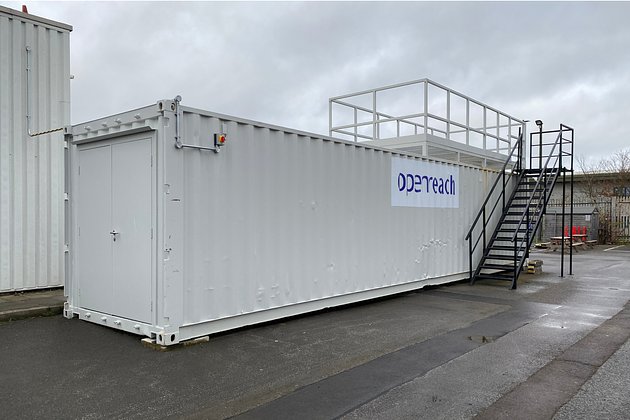 BenefitDescriptionPriceLower construction costs due to the availability of used containers.SustainabilityEnvironmentally friendly choice, decreasing waste by repurposing containers.SturdinessStrong steel structure makes them resistant to different ecological factors.Modular FlexibilityQuickly expandable and customizable designs as they can be stacked or integrated.Quick ConstructionReduced building time compared to conventional homes.PortabilityCan be moved if essential; suitable for momentary living situations.Distinct AestheticDistinct commercial look that can be personalized with creative styles.
Price
Among the most compelling factors to consider shipping container housing is its cost-effectiveness. A used shipping container can cost anywhere from ₤ 1,500 to ₤ 5,000, depending upon its condition and area. This is substantially lower than standard housing, making it an attractive alternative for novice purchasers and those on a spending plan.
Sustainability
With an increasing focus on sustainability, shipping container homes align perfectly with environmentally friendly practices. By repurposing containers that may otherwise sit unused or become scrap metal, property owners can lower their carbon footprint. Additionally, lots of shipping container homes use green technologies such as photovoltaic panels and rainwater harvesting systems.
Toughness
Shipping containers are developed to endure harsh climate condition and heavy loads during transport. Their steel structure is resistant to termites, mold, and fire, making them a safe and long-lasting option for housing. This toughness equates into lower maintenance costs gradually.
Modular Flexibility
Shipping container homes are flexible in design. Property owners can choose to stack containers or link them side-by-side, producing customized spaces matched to their needs. This modular method enables easy growth as households grow.
Quick Construction
Standard homes can take several months or perhaps years to construct, however shipping container homes can typically be finished in simply a couple of weeks, thanks to their pre-fabricated nature. This rapid construction implies that individuals can move into their homes much quicker.
Portability
Unlike traditional houses that are repaired to a place, shipping container homes can be moved if necessary. This makes them an enticing option for those who desire versatility or strategy to travel.
Special Aesthetic
The commercial look of shipping containers provides itself to special architectural designs that stand apart from standard homes. With proper insulation and completing touches, these homes can be transformed into trendy, contemporary living spaces.
Comparing Shipping Container Homes and Traditional Homes
When evaluating housing options, it’s necessary to think about numerous elements. The table listed below highlights some crucial distinctions in between shipping container homes and standard homes:CharacteristicShipping Container HomesStandard HomesCostGenerally lower, starting around ₤ 30,000Greater, typically going beyond ₤ 200,000Construction TimeQuick, weeks to a couple of monthsLengthy, several months to yearsToughnessExtremely long lasting; resistant to different hazardsDurable, however more prone to weatheringDesign FlexibilityHighly customizable and modularStandard designs, restricted in modificationEcological ImpactEco-friendly; reduced wasteEcological effect varies based on materialsZoning and RegulationsMay face zoning challenges due to non-traditional statusUsually follows established building regulations
Often Asked Questions (FAQ)
1. Can I finance a shipping container home?Yes, lots of
lenders are starting to offer financing alternatives for shipping container homes. However, it’s essential to examine local guidelines and make sure that your home satisfies building regulations to facilitate the lending process.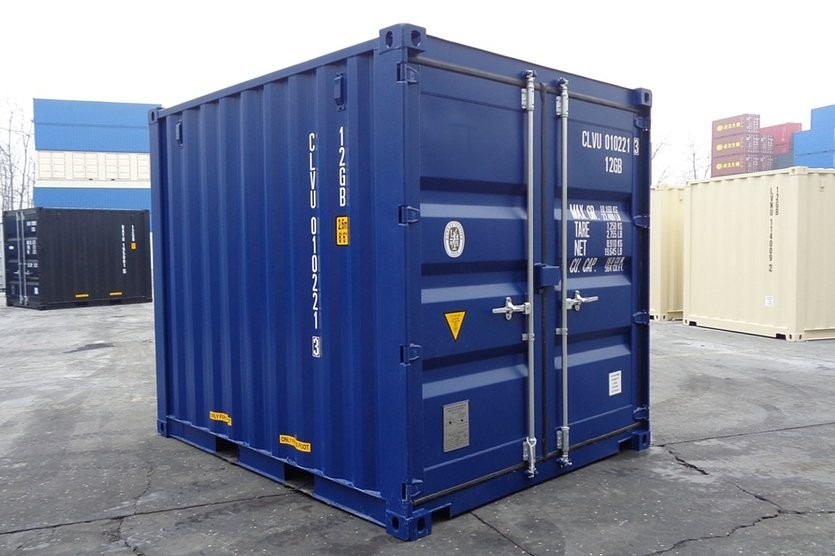 2. Are shipping containers insulated?Shipping containers
are not insulated by default. Sufficient insulation, such as spray foam, rigid foam board, or standard insulation materials, is crucial for temperature control and energy performance.3. How do I find a shipping container home builder?Research local home builders concentrating on container homes and examine evaluations or case research studies of their previous projects. Connecting with container home communities online can also offer suggestions. 4. Do I require an authorization to build a shipping container home?Most areas require building permits, so it’s necessary to consult your local zoning and structure department before beginning construction. 5. Are shipping containers safe to live in?Absolutely! When effectively modified and fitted with necessary systems(plumbing, electrical, and HVAC), shipping container homes can be simply as safe as conventional homes. Shipping container housing is an ingenious response to modern housing obstacles. By using cost, sustainability, durability, and unique design opportunities, this approach of construction is getting interest from different demographics– particularly millennials and those looking for a minimalistic lifestyle. As more people and families explore this alternative living option, it is clear that shipping container homes represent a potential solution to contemporary housing requirements.